Exploring the Versatility of 3D Stackable Box Laser Cut Designs
The evolution of laser cutting technology has introduced a new dimension to creative design, especially in the realm of 3D structures. Among the standout innovations is the 3D stackable box laser cut technique, which enables makers and designers to craft modular, interlocking components with precision and ease. This method is not just about aesthetics; it's a functional approach that blends form and utility, making it ideal for a variety of personal and professional applications.
Understanding the Basics of 3D Stackable Box Laser Cut
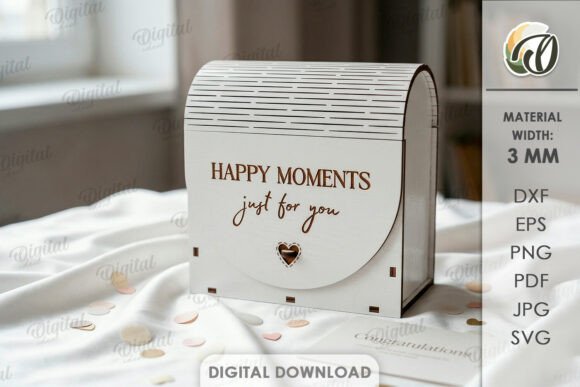
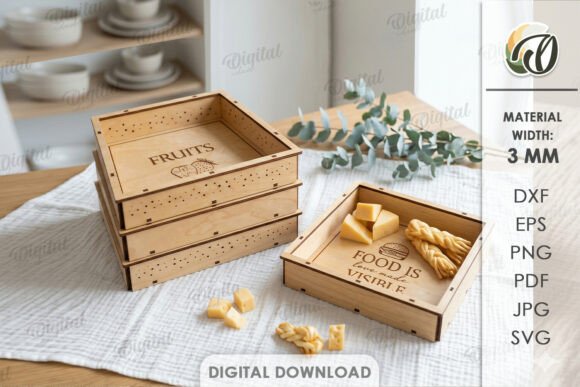
At its core, a 3D stackable box laser cut involves designing flat, laser-cut panels that can be assembled into three-dimensional boxes. These boxes are engineered to stack neatly on top of one another, creating stable, customizable structures. The precision of laser cutting ensures that each piece fits perfectly, eliminating the need for additional fasteners or adhesives in many cases.
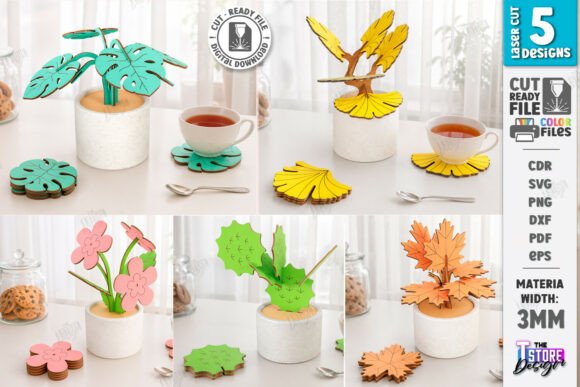
Each design is typically delivered in a digital format such as SVG, DXF, EPS, PDF, JPEG, and PNG, allowing for easy customization and scalability. The standard material thickness recommended for these designs is 3mm, which provides a balance between durability and ease of handling. Whether you're working with wood, acrylic, or cardboard, this technique adapts well to a wide range of materials.
Advantages of Using Stackable Box Designs
- Space Efficiency: Stackable boxes are ideal for maximizing vertical space in homes, offices, or workshops. They can be used for storage, display, or even as modular furniture components.
- Customization: With digital files, users can scale, rotate, or modify the design to suit specific needs, making each project uniquely tailored.
- Eco-Friendly: Since the design minimizes material waste and often eliminates the need for glue or screws, it aligns with sustainable design practices.
- Cost-Effective: As a digital product, there are no shipping costs or delays, and the same design can be reused or modified for different projects.
Practical Applications Across Different Fields
One of the most compelling aspects of the 3D stackable box laser cut is its adaptability across various domains. Here are a few real-world examples:
Home Organization and Décor
For homeowners and interior designers, these boxes offer a stylish and functional way to organize shelves, drawers, or walls. Whether used as floating shelves, modular planters, or decorative storage units, the design adds a modern, geometric touch to any room. The ability to stack and rearrange them makes them perfect for evolving spaces like nurseries or home offices.
Educational Tools and Prototyping
In educational settings, teachers and students can use stackable box designs to explore spatial reasoning, geometry, and engineering concepts. The tactile nature of assembling laser-cut pieces helps reinforce learning through hands-on experience. Additionally, these designs are ideal for prototyping in design and architecture, where quick, low-cost models are essential.
Commercial and Retail Displays
Businesses can leverage 3D stackable box laser cut designs for temporary or permanent retail displays. Their modular nature allows for easy transportation and setup, making them ideal for pop-up shops or trade show booths. Brands can customize the boxes with logos or specific color schemes to align with their visual identity.
Technical Considerations and Best Practices
While the design process is straightforward, there are several technical factors to consider when working with 3D stackable box laser cut files:
- Material Selection: Choose a material that is compatible with laser cutting and has the appropriate thickness (typically 3mm). Acrylic, MDF, and cardboard are popular choices.
- Machine Calibration: Ensure your laser cutter is properly calibrated to maintain accuracy, especially when cutting interlocking tabs and slots.
- Assembly Technique: Dry-fit the pieces before final assembly to check for fit and alignment. Some designs may require light sanding or adjustments depending on the material used.
- Software Compatibility: Verify that your design software supports the file formats provided (SVG, DXF, EPS, etc.) and that you're working with the correct scale.
Inspiration and Creative Possibilities
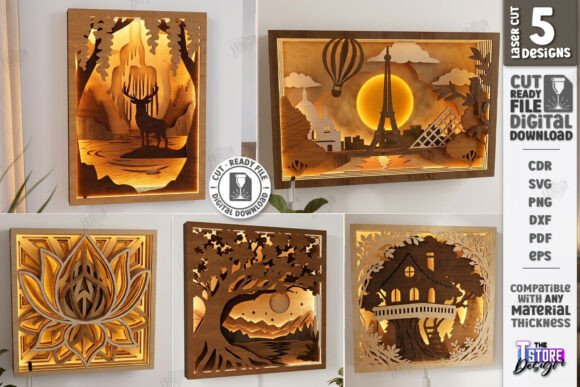
The beauty of the 3D stackable box laser cut lies in its flexibility. Users have reported creating everything from modular bookshelves and toy storage units to intricate light fixtures and art installations. One popular trend is using translucent acrylic to create illuminated stackable cubes that double as ambient lighting and storage.
For those who enjoy experimenting, combining multiple designs or altering the original file can lead to entirely new structures. For instance, rotating the box design by 45 degrees can result in a more dynamic, angular appearance. Some creators have even integrated magnetic connectors or hinges into the design for added functionality.
Design Tips for Optimal Results
To get the most out of your 3D stackable box laser cut project, consider the following tips:
- Plan for Scalability: Design with future expansion in mind. Ensure that additional boxes can be added without compromising structural integrity.
- Test with Scrap Material: Before cutting your final material, test the design on scrap to confirm fit and adjust settings if necessary.
- Use Layered Effects: Stack boxes of varying sizes or colors to create depth and visual interest. This works especially well in wall art or signage.
- Label and Organize: If using the boxes for storage, consider adding engraved labels or color-coded designs for easy identification.
Why Choose a Digital Laser Cut Design?
As a digital product, the 3D stackable box laser cut offers immediate access without the limitations of physical inventory. This means no waiting for shipping, no risk of damage during transit, and the ability to download and reuse the design as needed. The included file formats (SVG, DXF, EPS, PDF, JPEG, PNG) ensure compatibility with a wide range of laser cutting machines and design software, making it accessible to both beginners and experienced makers.
Moreover, the absence of physical goods aligns with the growing trend toward digital downloads and sustainable consumption. It reduces the carbon footprint associated with manufacturing and shipping while still delivering high-quality, usable content to the end user.
Final Thoughts
The 3D stackable box laser cut represents a powerful intersection of design, technology, and practicality. Whether you're a hobbyist looking to build a custom organizer, a teacher creating classroom tools, or a business owner designing retail displays, this method offers a versatile and efficient solution. By leveraging digital files and laser cutting precision, users can bring their creative visions to life with minimal effort and maximum impact.