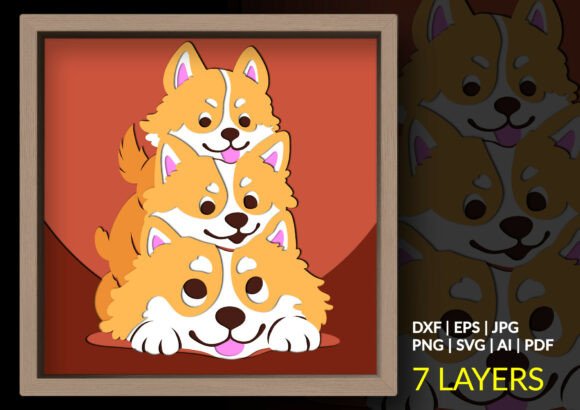
Flower Layered Paper Cut SVG Design: A Strategic Asset for Visual Communication
In the competitive landscape of visual marketing and creative production, the difference between a generic image and a memorable brand asset often lies in depth and dimension. The Flower Layered Paper Cut SVG Design offers more than just an aesthetic choice; it provides a structural framework for creating high-impact visuals that command attention. For entrepreneurs, small business owners, and professional designers, understanding how to leverage this specific design style is not merely about following a trend, but about making calculated decisions that enhance brand positioning and operational efficiency.
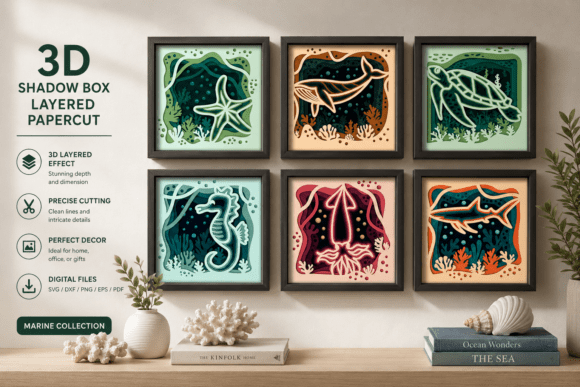
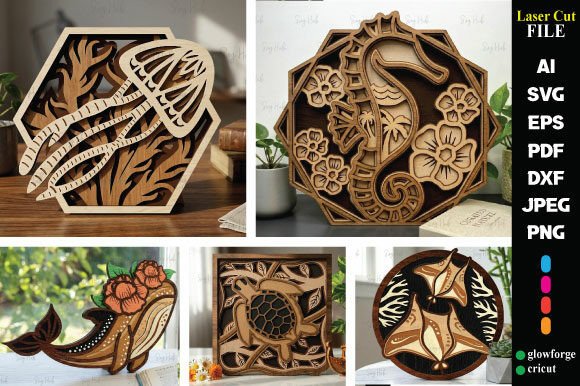
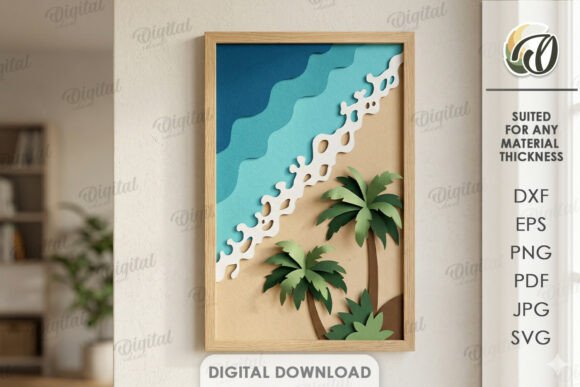
This design approach mimics the tactile quality of traditional paper cutting, where multiple layers of material are stacked to create shadows, depth, and a three-dimensional effect on a two-dimensional surface. When digitized as Scalable Vector Graphics (SVG), these designs become infinitely scalable, allowing them to function seamlessly across diverse mediums—from large-scale vinyl signage and fabric printing to intricate web graphics and social media headers. The inclusion of six distinct cut files within a single package significantly expands the strategic utility, offering a cohesive suite of assets rather than a singular, isolated image.
The Strategic Value of Dimensional Depth
Why does the layered aesthetic matter in a digital-first economy? Human perception is wired to notice depth. Flat graphics can be easily scanned and dismissed, whereas layered compositions invite the eye to explore the interplay of light and shadow. A Flower Layered Paper Cut SVG Design inherently possesses this quality. By utilizing the six provided cut files, creators can construct complex narratives or focal points that stand out in crowded feeds and physical retail environments.
For branding purposes, this depth translates to perceived value. A logo or marketing collateral that utilizes the illusion of 3D structure suggests craftsmanship and attention to detail. It signals to the customer that the brand invests in quality. This is particularly relevant for businesses in the wedding industry, floral arrangements, boutique home decor, and lifestyle sectors, where the emotional connection to beauty and nature is paramount. The strategic use of these files allows marketers to align their visual identity with the organic elegance of flowers while maintaining the precision of vector technology.
Furthermore, the scalability of the SVG format ensures consistency. Whether the design is applied to a business card or a billboard, the edges remain crisp, and the layering remains intact. This reliability is crucial for decision-makers who need to maintain brand integrity across various touchpoints without incurring additional costs for custom illustration work for every new size requirement.
Operational Efficiency Through Multi-File Assets
One of the most practical advantages of acquiring a set containing six cut files is the immediate boost to operational workflow. In a typical design project, sourcing individual elements that match in style, color palette, and complexity can consume hours of research and adjustment. A pre-packaged Flower Layered Paper Cut SVG Design eliminates this friction.
The six files typically represent different stages of the flower's bloom, varying angles, or complementary botanical elements. This variety allows for rapid prototyping. A designer can quickly assemble different compositions to test which arrangement resonates best with a target audience before committing to final production. This agility is essential for agile marketing teams that must respond quickly to seasonal trends or campaign shifts.
Consider the application in manufacturing. If you are running a laser cutter or a vinyl plotter, having the layers separated into distinct files is a prerequisite for successful production. The ability to print each layer on different colored materials—perhaps using a gradient of pinks, purples, and whites—creates a sophisticated product without requiring advanced artistic skills from the operator. The separation of files streamlines the production line, reducing setup time and minimizing errors during the cutting process.
Planning Your Visual Hierarchy
- Assess the Medium: Determine if the output will be digital or physical. Digital applications may require fewer layers to ensure fast loading times, while physical cuts can utilize all six files for maximum impact.
- Define the Focal Point: Decide which of the six files will serve as the primary subject. The others should act as supporting elements to guide the viewer's eye.
- Color Strategy: Plan your color palette based on the number of available layers. Using contrasting colors for adjacent layers enhances the 3D effect, while analogous colors create a softer, more ethereal look.
- Scalability Check: Test the smallest file at its intended size to ensure details do not get lost during the rendering or cutting process.
Intentional Application in Branding and Marketing
While the versatility of the Flower Layered Paper Cut SVG Design is an asset, indiscriminate use can dilute its effectiveness. To achieve long-term results, these assets must be deployed with clear intent. Randomly applying layered flowers to every piece of content can lead to visual fatigue, causing the audience to tune out the message. Instead, these designs should be reserved for key moments in the customer journey where visual distinction is necessary.
For example, in email marketing campaigns, a layered header can increase open rates by breaking the monotony of standard text-based layouts. However, it should be used sparingly—perhaps only for major announcements or seasonal promotions—to maintain its novelty. Similarly, in physical packaging, the layered effect can elevate a product from a commodity to a luxury item. A soap maker might use the six cut files to create a window box design where the flower appears to float above the product, instantly communicating care and artistry.
Strategic planning also involves considering the longevity of the design. While floral motifs are perennial, the specific "paper cut" trend has a lifecycle. To future-proof your branding, integrate the Flower Layered Paper Cut SVG Design as part of a broader visual system rather than the sole identifier. Use the layers to support typography and other brand elements, ensuring that even if the specific style evolves, the core brand recognition remains strong.
Risks of Context-Free Implementation
Despite its benefits, relying on pre-made assets like the Flower Layered Paper Cut SVG Design carries risks if not managed correctly. The primary danger is homogenization. Because these files are available to many users, there is a possibility that competitors or unrelated brands may use similar assets, leading to a lack of differentiation. If your entire visual identity relies solely on a popular template, your brand may blend into the background rather than stand out.
To mitigate this, customization is key. Do not simply download and apply the files as they are. Modify the color schemes to match your unique brand guidelines. Combine the six cut files with original photography, custom typography, or other exclusive graphics to create a composite image that is uniquely yours. This approach leverages the efficiency of the pre-made files while retaining the exclusivity required for strong branding.
Another risk lies in over-complication. Six layers offer significant detail, but sometimes less is more. Attempting to use all six files in a small space, such as a mobile app icon or a social media avatar, can result in a cluttered, unreadable mess. Decision-makers must evaluate the constraints of the medium before committing to the full complexity of the layered design. Simplicity often yields better communication than excessive detail.
Long-Term Value and Skill Development
Beyond immediate project needs, working with a Flower Layered Paper Cut SVG Design serves as an educational tool for creators and teams. Understanding how layers interact, how negative space functions, and how to manage vector paths enhances overall design literacy. Teams that engage deeply with these files develop a stronger grasp of composition and spatial relationships, skills that transfer to other areas of their work.
For freelancers and agencies, mastering the manipulation of these layered files can expand service offerings. You can position yourself as an expert in dimensional design, capable of delivering assets that bridge the gap between digital and physical worlds. This expertise can justify higher pricing tiers and attract clients looking for premium, high-quality deliverables.
Ultimately, the value of the six cut files extends beyond the initial download. They represent a toolkit for experimentation. By systematically testing different combinations, color palettes, and applications, organizations can gather data on what resonates with their audience. This iterative process leads to more informed design decisions and a more robust visual strategy over time.
Making the Right Decision
Before integrating the Flower Layered Paper Cut SVG Design into your workflow, ask critical questions. Does this style align with our brand voice? Will the added complexity improve the user experience or distract from the message? Are we prepared to customize these assets to ensure uniqueness? Answering these questions honestly ensures that the investment of time and resources yields a tangible return.
When used thoughtfully, these layered designs are powerful instruments for storytelling and brand elevation. They allow professionals to communicate sophistication and creativity without starting from scratch. However, they are tools, not solutions in themselves. The true strategic advantage comes from the human element—the vision, planning, and intentional execution that transform a set of six cut files into a compelling visual narrative that drives results.