Mastering the 3D Toothbrush Holder Laser Cut Design for Custom Home Organization
In the realm of modern home organization and DIY craftsmanship, the intersection of digital design and physical utility has created a new standard for bathroom aesthetics. The 3D Toothbrush Holder Laser Cut represents more than just a simple storage solution; it is a testament to how digital files can transform raw materials into functional art. For hobbyists, professional makers, and interior designers alike, understanding the nuances of this specific design category opens up a world of customization that mass-produced plastic alternatives simply cannot match.
This article explores the practical application, material considerations, and creative potential inherent in laser-cutting projects, specifically focusing on the digital blueprint aspect of creating a bespoke toothbrush holder. By shifting the focus from purchasing a finished product to acquiring the intellectual property—the digital file—creators gain the autonomy to produce items that perfectly fit their unique spaces and stylistic preferences.
The Digital Blueprint: Understanding the Product Format
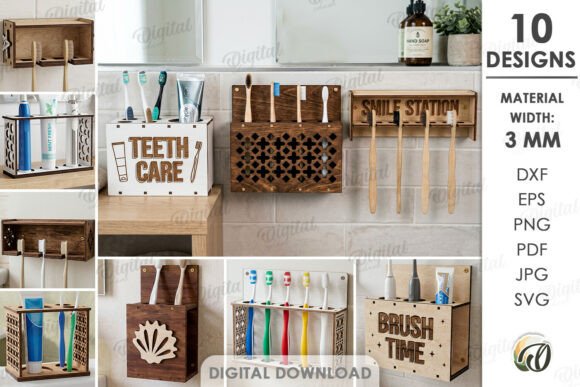
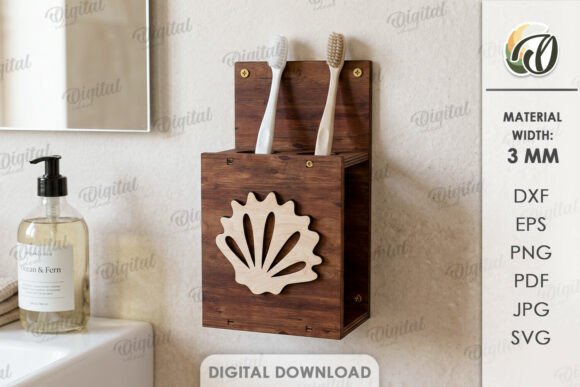
A critical distinction in the modern maker economy is the nature of the transaction. When engaging with a 3D Toothbrush Holder Laser Cut design, it is essential to recognize that the purchase is strictly for a digital asset. No physical goods are shipped. The photographs often seen in listings serve as inspirational guides, demonstrating what is possible when the design is executed correctly with the right equipment and materials. This model empowers the buyer by transferring the manufacturing process to them, allowing for immediate production upon download.
The value lies in the versatility of the file formats provided. A comprehensive package typically includes SVG, DXF, EPS, PDF, JPEG, and PNG files. Each format serves a specific purpose within the workflow:
- SVG (Scalable Vector Graphics): Ideal for web-based design tools and compatible with most modern laser cutter software, ensuring crisp lines at any scale.
- DXF (Drawing Exchange Format): The industry standard for CAD programs and many industrial laser cutters, offering precise geometric data.
- EPS (Encapsulated PostScript): Useful for high-end graphic design applications where vector integrity is paramount.
- PDF: Provides a universal viewing option and can be used directly in certain laser cutting software suites.
- JPEG and PNG: Raster images intended for visual reference, marketing mockups, or use in composite designs rather than cutting paths.
This multi-format approach ensures that regardless of the specific software ecosystem a creator uses—from LightBurn and CorelDRAW to Adobe Illustrator—the 3D Toothbrush Holder Laser Cut design remains accessible and editable.
Material Science: Why 3mm Thickness Matters
The structural integrity and aesthetic appeal of a laser-cut project are heavily dependent on the substrate chosen. For a 3D Toothbrush Holder Laser Cut, the specification of a 3mm material width is not arbitrary; it is a calculated balance between rigidity and detail retention. Materials thinner than 3mm may lack the necessary strength to hold multiple toothbrushes upright without wobbling, while materials significantly thicker might obscure fine details or require excessive power settings that could char the edges.
Bamboo, plywood, MDF, and acrylic are common choices for this thickness. Bamboo offers a warm, organic look that ages gracefully, making it a favorite for eco-conscious households. Plywood provides excellent stability and a distinct layered edge that adds texture to the final piece. Acrylic, when lasered, creates a polished, glass-like finish that complements modern, minimalist bathrooms. The 3mm requirement ensures that the interlocking tabs or fold-out mechanisms typical of 3D laser-cut designs function smoothly, providing a secure fit without requiring complex gluing techniques.
Creators should also consider the grain direction when working with wood-based materials. Aligning the grain with the primary stress points of the holder can prevent warping over time, especially in humid environments like bathrooms. This attention to material science elevates the project from a simple craft to a durable household item.
Workflow Integration for Professionals and Hobbyists
The implementation of a 3D Toothbrush Holder Laser Cut design fits seamlessly into various workflows, from the weekend hobbyist to the small business owner. For the individual creator, the process begins with downloading the zip folder containing the design files. Once imported into laser cutting software, the user can adjust parameters such as speed, power, and frequency based on their specific machine and material choice.
For professionals running a custom gift shop or an Etsy store, this digital model allows for on-demand manufacturing. Instead of maintaining expensive inventory of finished products, they can store the digital files and produce items only when orders come in. This reduces overhead costs and minimizes waste. Furthermore, the ability to modify the design slightly—perhaps adding a family name, changing the color of the material, or adjusting dimensions to fit a specific countertop niche—adds a layer of personalization that drives customer satisfaction.
Even educators and researchers find value in these designs. In STEM workshops, the 3D Toothbrush Holder Laser Cut serves as an excellent case study for discussing vector graphics, material properties, and the mechanics of assembly. It demonstrates how a flat sheet of material can be transformed into a three-dimensional object through strategic kerf cuts and folding, teaching principles of geometry and engineering in a tangible way.
Aesthetic Versatility and Interior Design Applications
Beyond functionality, the primary driver for choosing a laser-cut design is often aesthetic flexibility. Mass-produced holders are limited to the molds available to manufacturers, usually resulting in generic shapes and colors. In contrast, a 3D Toothbrush Holder Laser Cut design allows for intricate patterns, geometric motifs, and organic curves that reflect current interior design trends.
In a Scandinavian-inspired bathroom, a light-colored birch plywood version of the holder adds warmth and texture. In a high-tech, futuristic space, black acrylic or dark walnut can provide a sleek, monochromatic look. The "3D" aspect of the design often involves layers or depth, creating shadows and highlights that give the object visual weight and presence on the counter. This depth is something flat decals or simple stencils cannot achieve.
The possibilities of creation are indeed endless. Users can mix and match materials, combine different finishes, or even incorporate LED lighting into the base if the design permits. This adaptability makes the digital file a versatile tool for anyone looking to curate a unique environment. Whether for a private residence, a boutique hotel, or a dental office looking to impress clients, the custom nature of the holder signals attention to detail and care for the user experience.
Sustainability and the Maker Movement
The rise of digital downloads for physical projects aligns closely with the growing sustainability movement. By purchasing a 3D Toothbrush Holder Laser Cut file, consumers eliminate the carbon footprint associated with shipping heavy, bulky physical goods across long distances. The packaging waste is reduced to zero, as there is no box, bubble wrap, or plastic filler required.
Furthermore, local sourcing of materials becomes feasible. Instead of relying on global supply chains for finished products, creators can source wood or acrylic from local suppliers, supporting regional economies and reducing transportation emissions. If a piece gets damaged or outdated, it can be easily replaced by re-cutting the design from scrap materials, extending the lifecycle of the resources used.
This approach fosters a deeper connection between the maker and the object. There is a sense of pride and ownership in assembling a piece oneself, knowing exactly what materials were used and how the item was constructed. This emotional connection often leads to better care of the object, further enhancing its longevity.
Technical Considerations for Successful Assembly
While the design files provide the roadmap, successful execution requires adherence to technical best practices. One of the most important factors is the precision of the laser cutter. Since many 3D Toothbrush Holder Laser Cut designs rely on friction-fit joints or interlocking tabs, even a slight deviation in cut width can render the assembly impossible or too loose to hold securely. Calibrating the machine for the specific 3mm material is crucial.
Another consideration is the post-processing of the cut pieces. Depending on the material, the edges may require sanding to remove roughness or burning residue. For wood, a light pass with fine-grit sandpaper can smooth the edges, while for acrylic, flame polishing or careful sanding can restore transparency and clarity. Some users choose to apply a sealant or oil to protect wood-based holders from moisture, which is particularly important in a bathroom setting.
Patience during assembly is also key. Rushing the process can lead to broken tabs or misaligned layers. Taking the time to dry-fit the components before final assembly ensures that everything clicks into place as intended. If the design includes adhesive elements, using the appropriate type of glue for the specific material combination will ensure a bond that lasts for years.
Future Trends in Custom Home Accessories
As technology advances, the accessibility of laser cutting continues to grow, bringing us closer to a future where every home accessory is custom-designed. The 3D Toothbrush Holder Laser Cut is just one example of a broader trend towards personalized, on-demand manufacturing. We are seeing a shift away from standardized consumer goods toward items that tell a story and reflect individual identity.
Integration with smart home systems is another emerging frontier. Imagine a toothbrush holder that not only holds brushes but also integrates with sensors to track usage or remind users to replace heads. While the current digital designs focus on form and function, the underlying framework supports future enhancements. As 3D printing and laser cutting technologies converge, we can expect even more complex geometries and material combinations to become commonplace in our homes.
For those ready to embark on this creative journey, the digital file serves as the gateway. It is a tool that democratizes design, allowing anyone with access to a laser cutter—or a local maker space—to produce professional-grade items. The transition from consumer to creator is empowering, fostering skills that extend far beyond the bathroom counter.
Whether you are a seasoned engineer, a passionate hobbyist, or a business owner seeking unique inventory, the 3D Toothbrush Holder Laser Cut design offers a robust platform for innovation. By understanding the file formats, material requirements, and assembly techniques, you unlock the potential to create something truly original. The possibilities of creation are endless, and your next masterpiece begins with a single download.