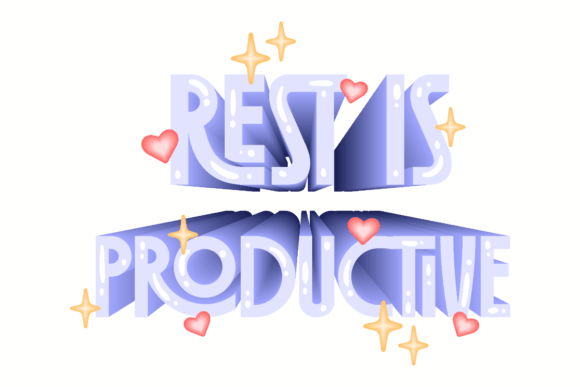
Rest is Productive: A Mental Health Shift
In a culture that often equates busyness with worth, the phrase Rest is Productive serves as more than just a catchy slogan; it is a fundamental recalibration of how we view work and wellness. This concept challenges the pervasive myth that constant output is the only metric of success. Instead, it posits that downtime, stillness, and recovery are integral components of high performance. When we embrace the idea that resting is part of the work, we unlock a sustainable path to creativity, clarity, and long-term mental health.
The Science Behind the Stillness
Understanding why rest is productive requires looking beyond simple fatigue management. The human brain operates in cycles of focus and defocus. During periods of intense concentration, neural pathways fire rapidly, consuming significant energy. However, during rest—whether it is a short break, a nap, or a full day off—the brain enters a state known as the default mode network. This is where consolidation happens. Memories are organized, creative connections are made, and emotional regulation is restored.
Mental health is not merely the absence of illness but the presence of resilience. Chronic burnout, anxiety, and diminished cognitive function are often the direct results of ignoring the body's signals for rest. By shifting our perspective to honor these needs, we move from a cycle of depletion to one of renewal. The visual representation of this philosophy, such as designs featuring soft lavender-blue tones and comforting symbols like hearts and stars, acts as a gentle, daily reminder to pause. These aesthetic choices are not superficial; they signal safety and calm, creating an environment where the mind feels permitted to slow down.
Different Perspectives on Downtime
The application of "Rest is Productive" varies significantly depending on one's role, industry, and personal goals. What looks like productivity for a software engineer might differ vastly from what it means for a freelance artist or a corporate manager. Recognizing these nuances helps individuals tailor their approach to rest in a way that aligns with their specific realities.
For Creators and Designers
For artists, writers, and designers, the fear of losing momentum can be paralyzing. There is a common misconception that stopping work breaks the creative flow. In reality, stepping away allows the subconscious to process complex problems. A graphic designer staring at a blank canvas may find the solution only after a walk or a nap. For this audience, rest is a strategic tool for problem-solving. They might use digital assets, such as high-resolution PNG files or scalable SVGs, to create workspace decals that serve as visual cues. Placing a "Rest is Productive" design near a workstation transforms a physical space into a sanctuary that validates the need for pauses without guilt.
For Entrepreneurs and Business Owners
Entrepreneurs often face the unique pressure of being the engine that keeps everything running. The belief that "if I stop, the business stops" is a dangerous trap. For small business owners, prioritizing mental health is actually a risk management strategy. A burned-out leader makes poor decisions, misses market shifts, and creates a toxic culture. Rest becomes a leadership competency. It allows for the strategic foresight needed to navigate complex markets. When an entrepreneur embraces rest, they model healthy behavior for their team, fostering a culture where sustainability is valued over heroic overwork.
For Educators and Professionals
Teachers, therapists, and healthcare workers operate in high-empathy roles where emotional labor is draining. Their version of productivity includes the ability to remain present and compassionate. Without adequate rest, empathy fades, leading to compassion fatigue. For these professionals, rest is essential for maintaining the emotional bandwidth required to care for others. A journal adorned with uplifting imagery or a cozy piece of apparel can serve as a tangible commitment to self-care, reminding them that they cannot pour from an empty cup.
Evaluating Your Needs and Goals
Determining whether the "Rest is Productive" philosophy fits your life involves an honest assessment of your current habits and future aspirations. It is not about working less in terms of hours, but working smarter by integrating recovery into the workflow. Consider the following factors when evaluating how to implement this mindset:
- Flexibility vs. Rigidity: Does your schedule allow for micro-breaks? If you work in a rigid 9-to-5 structure, you might need to advocate for short, scheduled pauses. If you are a freelancer, you have the flexibility to build rest directly into your project timelines.
- Quality of Output: Are you noticing a decline in the quality of your work? Errors, lack of creativity, and irritability are often signs that rest is overdue. Prioritizing recovery can lead to higher-quality deliverables in less time.
- Long-Term Sustainability: Are you planning for a career that lasts decades? Pushing through exhaustion now may yield short-term gains but risks long-term health issues. Sustainable success requires a rhythm of effort and recovery.
- Commercial and Personal Value: For those creating content or products around wellness, understanding the depth of this topic adds authenticity. Consumers are increasingly seeking brands and creators who genuinely understand mental health, not just those using it as a marketing buzzword.
Practical Implementation Strategies
Integrating this mindset does not require a complete lifestyle overhaul overnight. Small, consistent changes can yield profound results. Here are practical ways different audiences can apply these principles:
- Create Visual Cues: Use digital downloads or physical decor to mark your workspace as a zone where rest is respected. A decal with dynamic typography and calming colors can instantly shift the mood of a room, signaling to your brain that it is safe to decompress.
- Schedule Recovery: Treat rest appointments with the same seriousness as client meetings. Block out time for lunch walks, reading, or simply sitting in silence. This ensures that rest is not just a luxury left for the end of the week but a priority throughout the day.
- Redefine Success Metrics: Move beyond measuring success solely by hours worked or tasks completed. Include metrics related to well-being, such as sleep quality, stress levels, and creative satisfaction.
- Utilize Scalable Tools: For hobbyists and makers, having access to versatile digital files (like SVGs for cutting machines) allows for the creation of personalized reminders. Whether it is a sticker for a laptop, a design on a t-shirt, or a page in a planner, these tools help externalize the internal commitment to self-care.
Conclusion: Embracing the Full Cycle
The journey toward recognizing that Rest is Productive is deeply personal yet universally relevant. It asks us to challenge societal norms and listen to our own bodies. Whether you are a beginner learning to set boundaries, a seasoned professional optimizing your workflow, or a consumer seeking meaningful products, the core message remains the same: recharging is part of the work.
By adopting this perspective, we do not diminish our achievements; we enhance them. We create space for innovation, deepen our relationships, and protect our mental health. The vibrant imagery associated with this movement—shimmering gold stars, playful red hearts, and soothing lavender hues—reminds us that we are worthy of care. Ultimately, honoring the need for stillness is the most productive thing we can do for our future selves.