Speak to the Spirit 3D Shadow Box: A Strategic Tool for Creative Expression and Thoughtful Design
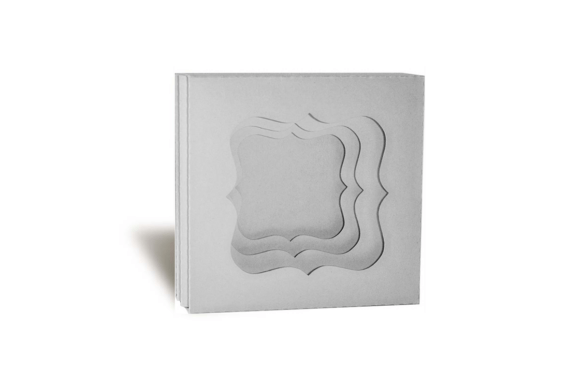
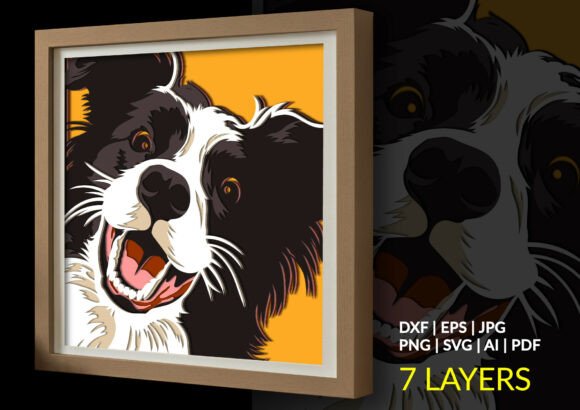
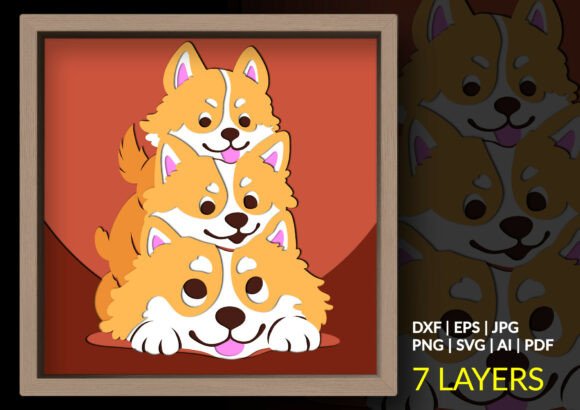
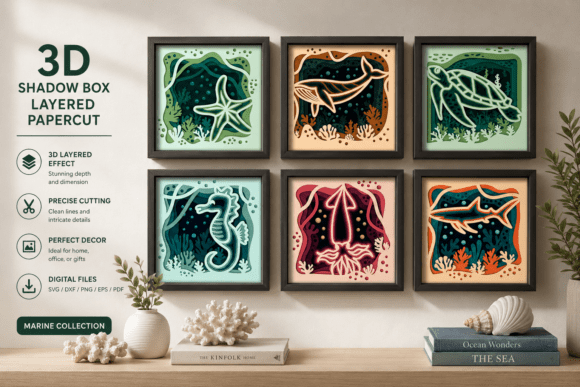
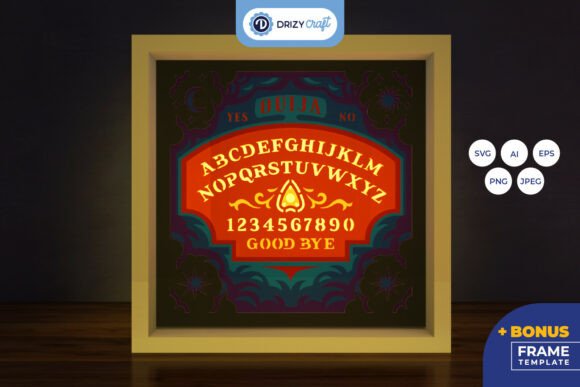
The Speak to the Spirit 3D Shadow Box is more than a decorative craft project. At its core, it’s a layered paper-cutting template designed to create a dimensional visual experience that invites reflection, creativity, and intentional design. Measuring 20.32×20.32 cm and featuring eight distinct layers, this SVG-based craft offers a unique opportunity to blend artistic expression with strategic thinking. Whether used as a framed wall decoration or enhanced with LED lighting for a glowing 3D effect, the Speak to the Spirit 3D Shadow Box serves as a tactile reminder of how thoughtful design can support deeper engagement—both with physical space and creative intention.
Why the Speak to the Spirit 3D Shadow Box Matters for Strategic Creativity
At first glance, a layered paper-cutting template may seem like a niche hobbyist item. However, for entrepreneurs, creators, and professionals seeking meaningful ways to express brand values, personal aesthetics, or thematic storytelling, the Speak to the Spirit 3D Shadow Box becomes a strategic asset. It encourages a hands-on approach to design that can align with broader goals such as:
- Enhancing customer experience through physical environments
- Creating memorable branded content or promotional materials
- Supporting personal or team reflection through intentional workspace design
- Developing creative discipline through structured, repeatable projects
By engaging with the Speak to the Spirit 3D Shadow Box, individuals and teams can practice visual storytelling, spatial planning, and material selection—all skills that translate into strategic thinking in branding, product development, and customer engagement.
How to Use the Speak to the Spirit 3D Shadow Box for Long-Term Value
Merely assembling the Speak to the Spirit 3D Shadow Box without a clear purpose may yield a visually appealing object, but it won’t maximize its strategic potential. To extract long-term value from this design tool, consider the following approaches:
- Align with brand identity: Choose paper colors, lighting, and framing that reflect your brand’s personality. A minimalist brand might opt for neutral tones and clean lines, while a more mystical or alternative brand could embrace darker shades and ambient lighting.
- Use as a storytelling device: Incorporate the shadow box into themed events, product launches, or content marketing. The layered effect can symbolize depth, mystery, or uncovering hidden insights—perfect for industries that rely on narrative-driven engagement.
- Integrate into educational or reflective spaces: For educators, coaches, or creatives, the Speak to the Spirit 3D Shadow Box can serve as a visual prompt for discussions on intuition, decision-making, or the unseen factors that influence outcomes.
- Test material and lighting combinations: Experiment with different papers, lighting sources (such as LED strips), and mounting techniques to discover what resonates most with your audience or personal aesthetic.
These strategies transform the Speak to the Spirit 3D Shadow Box from a craft project into a deliberate design exercise that supports broader creative and business objectives.
When to Introduce the Speak to the Spirit 3D Shadow Box into Your Workflow
Timing matters when integrating creative tools into strategic workflows. The Speak to the Spirit 3D Shadow Box is best introduced during phases of:
- Brand evolution: When refining or repositioning a brand, physical artifacts like the shadow box help visualize the emotional tone and aesthetic direction.
- Content ideation: Use the shadow box as a visual mood board for storytelling or visual content creation. Its layered nature can inspire complex narratives or multi-dimensional marketing campaigns.
- Workspace enhancement: As part of a creative studio, office, or home workspace redesign, the shadow box can serve as a focal point that encourages reflection and intentional design thinking.
- Customer experience design: If your business involves physical environments—retail, hospitality, events—this tool can inform spatial storytelling and atmospheric branding.
Introducing the Speak to the Spirit 3D Shadow Box at these strategic moments ensures it contributes meaningfully rather than being treated as a one-off craft.
What to Consider Before Relying on the Speak to the Spirit 3D Shadow Box
While the Speak to the Spirit 3D Shadow Box offers creative and strategic value, it’s important to approach it with intention. Consider the following before investing time and resources:
- Alignment with goals: Does the shadow box support a broader objective, or is it being used for novelty alone? Ensure there’s a clear purpose tied to brand, storytelling, or environmental design.
- Material and technical constraints: While the SVG file is compatible with cutting machines like Silhouette and Cricut, not everyone has access to these tools. Manual cutting with an art knife is an option, but it requires patience and precision.
- Color and lighting variability: The final product’s appearance can vary based on lighting conditions and paper selection. Test different combinations before committing to a final version.
- Assembly complexity: With eight layers and the potential addition of LED lighting, assembly can be time-intensive. Factor in time for trial, error, and refinement.
These considerations help ensure the Speak to the Spirit 3D Shadow Box enhances your creative strategy rather than becoming an overlooked project.
Maximizing the Strategic Potential of the Speak to the Spirit 3D Shadow Box
To make the most of the Speak to the Spirit 3D Shadow Box, adopt a mindset of strategic intentionality rather than random experimentation. Here’s how:
- Document your process: Keep notes on material choices, layering techniques, and lighting effects. This documentation becomes a reference for future projects or team training.
- Iterate and refine: Don’t settle for the first version. Try different layering orders, lighting angles, or framing styles to discover what communicates your intended message most effectively.
- Share the journey: Whether on social media, a blog, or internal team meetings, sharing your creative process adds value and builds engagement. People appreciate behind-the-scenes insights and thoughtful craftsmanship.
- Evaluate the impact: After completing the shadow box, assess how well it aligns with your original goals. Did it enhance the intended space or message? What could be improved for future iterations?
By treating the Speak to the Spirit 3D Shadow Box as a strategic design exercise rather than just a craft, you elevate its value and ensure it contributes meaningfully to your creative or business outcomes.
Risks of Using the Speak to the Spirit 3D Shadow Box Without Strategic Context
Without a clear purpose, the Speak to the Spirit 3D Shadow Box risks becoming a decorative artifact with limited strategic value. Some common pitfalls include:
- Overemphasis on aesthetics: Focusing solely on visual appeal without tying the design to a broader message or brand can lead to superficial outcomes.
- Underestimating time and effort: Assuming the project is simple can lead to rushed execution and disappointment. The layered nature of the design requires careful planning and patience.
- Misalignment with audience: Not all audiences will resonate with the mystical or thematic undertones of the design. Ensure it fits within your brand’s voice and visual identity.
- Missing opportunities for storytelling: The shadow box offers a rich opportunity to convey layered meaning. Ignoring this aspect limits its potential as a strategic design tool.
Avoiding these risks requires a deliberate approach that considers both the creative and strategic dimensions of the Speak to the Spirit 3D Shadow Box.
Conclusion: Using the Speak to the Spirit 3D Shadow Box with Purpose
The Speak to the Spirit 3D Shadow Box is more than a craft—it’s a multidimensional design tool that, when used intentionally, supports creative strategy, brand storytelling, and environmental design. Whether you're a marketer refining a brand’s visual language, a creator exploring spatial storytelling, or a professional enhancing your workspace, this layered paper-cutting template offers a hands-on way to engage with deeper design principles. By approaching it with strategic clarity, you ensure that the final product isn’t just visually compelling but also meaningfully aligned with your goals and values.