The Nativity Christmas Countdown: Blending Tradition with Modern Design
In an era where digital notifications dominate our calendars and screens, there is a growing resurgence of tactile, analog experiences that ground us in the present moment. Among these, the Nativity Christmas Countdown has emerged as a compelling intersection of craftsmanship, storytelling, and seasonal tradition. Unlike standard advent calendars that focus on consumption or generic imagery, this specific design leverages the mechanics of movement to tell a profound narrative. It represents a shift in how creators and consumers approach holiday decor—moving away from clutter toward intentional, meaningful artistry.
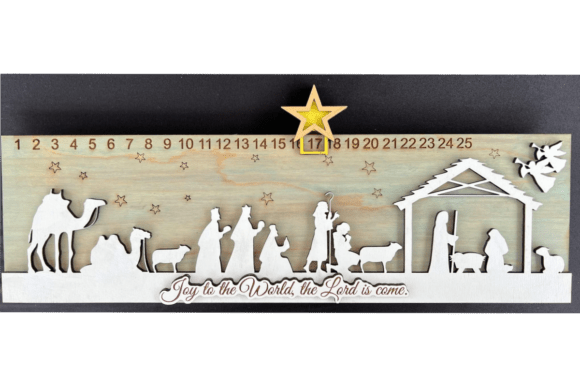
This piece is not merely a decorative item; it is a kinetic sculpture that encapsulates the essence of the Christmas story through simplicity and elegance. By utilizing a star slider mechanism, the design transforms a static scene into a dynamic journey, guiding the observer's eye across a silhouette skyline until the Star of Bethlehem comes to rest over the manger on December 25th. For professionals in design, manufacturing, and lifestyle marketing, understanding the mechanics and cultural resonance of such projects offers valuable insights into current market trends favoring experiential products.
The Mechanics of Meaning: How the Design Works
The beauty of the Nativity Christmas Countdown lies in its deceptive simplicity. The engineering behind the piece is straightforward yet effective, relying on precise measurements and layered construction to create depth. The main body is crafted from a 4.5 x 15 inch piece of 1/8-inch material, providing a canvas large enough for detail but compact enough for intimate display. The star slider, constructed from the same 1/8-inch material, moves along a track hidden within the assembly, ensuring smooth operation without visual distraction.
To ensure stability and aesthetic appeal, the stand is built using a 1x2 piece of lumber. Whether stained or painted, this base serves a dual purpose: it provides structural integrity and acts as a stylish foundation that elevates the artwork. A critical aspect of the construction workflow involves the order of assembly. If using a stapler or nail gun, the stand must be attached to the back first. This technique ensures that the front layer completely conceals the hardware, maintaining the minimalist aesthetic that defines the piece.
Layered Depth and Visual Hierarchy
The design employs a two-layer system to achieve a striking 3D effect, a technique that adds significant value to the final product. Layer 1 forms the foundational scene, depicting the manger and the animals associated with the nativity story. This layer establishes the context and emotional core of the piece. Layer 2 is cut into the shape of a Bethlehem skyline silhouette, incorporating the numbers for the countdown. This layer sits atop the first, creating a shadow-box effect that enhances the perception of distance and space.
The star slides on the back layer, moving horizontally across the skyline. As the days progress, the star's position changes, visually representing the passage of time leading up to the birth of Jesus. On Christmas Day, the star aligns perfectly over the manger, signifying the culmination of the journey. This mechanical interaction transforms the act of counting down days into a participatory storytelling experience, engaging the user in a way that flat images cannot.
Market Trends: The Rise of Analog Engagement
Why are people paying attention to projects like the Nativity Christmas Countdown? The answer lies in a broader shift in consumer behavior and creative preferences. In a digital-first world, there is a palpable fatigue regarding screen time and ephemeral content. Consumers, particularly those in the professional and creative sectors, are increasingly seeking "slow living" alternatives that offer tangible satisfaction. This trend extends beyond home decor into the realms of education, therapy, and corporate gifting.
For entrepreneurs and makers, this signals a pivot toward products that require interaction. The Nativity Christmas Countdown fits squarely into the "maker movement," which values transparency in production and the skill involved in creation. It appeals to a demographic that appreciates the provenance of their goods and the thoughtfulness behind their design. Unlike mass-produced plastic ornaments, a handcrafted wooden countdown piece carries a narrative weight that resonates with buyers looking for authenticity.
Furthermore, the integration of religious iconography with modern design principles reflects a niche but robust market segment. There is a demand for faith-based items that do not feel dated or kitschy. By employing a minimalist aesthetic—clean lines, silhouettes, and functional mechanics—creators can bridge the gap between traditional religious observance and contemporary interior design tastes. This allows the piece to fit seamlessly into modern homes, offices, and boutique retail spaces.
Workflow Implications for Creators and Manufacturers
From a production standpoint, the Nativity Christmas Countdown presents an excellent case study in efficient material usage and modular design. The specification of materials—a 4.5 x 15 inch sheet for the body and a 1x2 for the stand—suggests a workflow optimized for minimizing waste while maximizing impact. For small-batch manufacturers or freelance woodworkers, this design is scalable. It can be produced individually for high-end custom orders or adapted for limited-run workshops.
The requirement for two layers introduces a necessary step in the cutting process, likely involving CNC routing or precision laser cutting for consistency. However, the assembly remains accessible to those with basic woodworking skills. The instruction to attach the stand to the back before applying the front layer is a crucial workflow tip that highlights the importance of planning ahead to hide imperfections. This level of detail in the build process speaks to the quality expectations of today's discerning consumers.
Moreover, the customization potential is vast. While the core mechanics remain constant, the finish of the wood, the style of the skyline, and even the typography of the numbers can be altered to suit different brand identities or regional preferences. This flexibility makes the Nativity Christmas Countdown a versatile asset for businesses looking to diversify their holiday offerings without reinventing the wheel.
Changing Consumer Expectations and Lifestyle Integration
Modern consumers are redefining what they expect from holiday traditions. The expectation is no longer just about decoration; it is about engagement and memory-making. The Nativity Christmas Countdown addresses this by turning the anticipation of Christmas into a daily ritual. Each day, moving the star becomes a moment of reflection, a pause in the busy season to consider the significance of the date.
This aligns with the broader lifestyle trend of mindfulness and intentionality. Families and individuals are curating their environments to support mental well-being and spiritual connection. A piece that combines the visual calm of minimalism with the active participation of a slider mechanism supports this goal. It encourages users to slow down and appreciate the passage of time, rather than rushing toward a deadline.
Additionally, the educational aspect should not be overlooked. For parents and educators, this piece serves as a visual aid to explain the nativity story in a concrete, understandable way. Children can physically see the star moving closer to the manger, making abstract concepts of time and history more relatable. This functionality expands the market reach beyond adult collectors to families and schools looking for meaningful educational tools.
Connecting to Larger Developments in Craft and Tech
While the Nativity Christmas Countdown is fundamentally an analog object, its success is partly due to the technological advancements that make its production feasible. Precision cutting technologies have lowered the barrier to entry for creating complex silhouettes and interlocking parts. What once required hours of hand-sanding can now be achieved with high accuracy, allowing creators to focus on design and finish.
Simultaneously, the rise of e-commerce platforms specializing in handmade and artisanal goods has created a global marketplace for such items. Creators can showcase the intricate details of the star slider and the layered depth to a worldwide audience, connecting with buyers who value unique, story-driven products. This digital distribution model complements the physical nature of the product, creating a symbiotic relationship between online marketing and offline craftsmanship.
As we look forward, the integration of such designs into smart home ecosystems or augmented reality experiences could further enhance their appeal. Imagine an app that tracks the countdown alongside the physical slider, offering daily reflections or historical facts about Bethlehem as the star moves. While the core value remains in the physical interaction, these technological adjuncts could provide additional layers of engagement for tech-savvy audiences.
Conclusion: The Enduring Power of Simple Stories
The Nativity Christmas Countdown stands as a testament to the power of simple, well-executed design. By combining the timeless narrative of the nativity with a functional, interactive mechanism, it creates an object that is both useful and beautiful. It meets the changing needs of a market that craves authenticity, mindfulness, and quality craftsmanship.
For professionals, creators, and enthusiasts, this project offers a blueprint for success in a crowded marketplace. It demonstrates that you do not need complexity to create impact; sometimes, a sliding star over a wooden skyline is all it takes to capture the imagination and the heart. As the industry continues to evolve, pieces that honor tradition while embracing modern aesthetics will remain at the forefront of consumer interest. The journey of the star across the Bethlehem skyline is not just a countdown to Christmas; it is a reminder of the enduring value of storytelling in a fast-paced world.