Understanding the 3D Fairy Light Stand Laser Cut: A Practical Guide for Makers
The landscape of home decor and DIY lighting has shifted significantly in recent years, moving away from mass-produced plastic fixtures toward customizable, artisanal designs. At the forefront of this trend is the 3D Fairy Light Stand Laser Cut, a digital design file that empowers creators to build intricate, illuminated structures using precision cutting technology. Unlike traditional light stands that are purchased fully assembled, this approach provides the blueprint for construction, offering a unique blend of creative control and functional lighting.
For adults aged 20 to 50 who are evaluating options for enhancing their living or office spaces, understanding the nuances of this digital product is essential. It represents a specific category of "digital fabrication" where the value lies not in a physical object shipped to your door, but in the data required to manufacture one. This guide explores what makes the 3D Fairy Light Stand Laser Cut distinct, how it compares to other lighting solutions, and the practical considerations involved in bringing such a design to life.
The Nature of Digital Fabrication Files
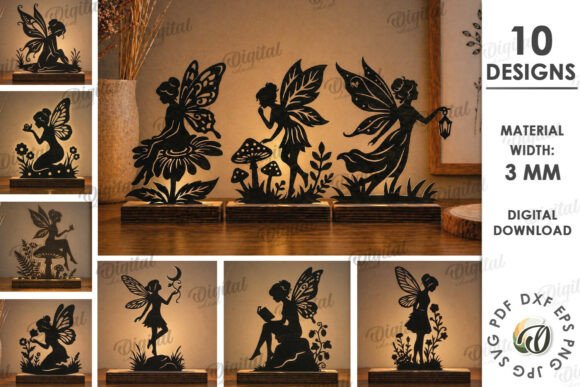
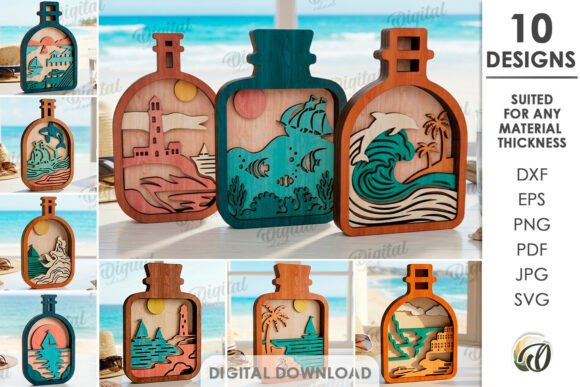
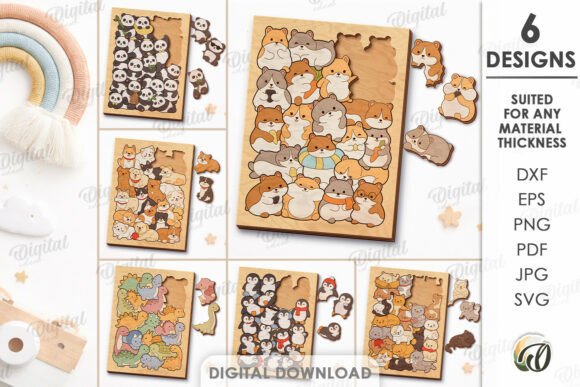
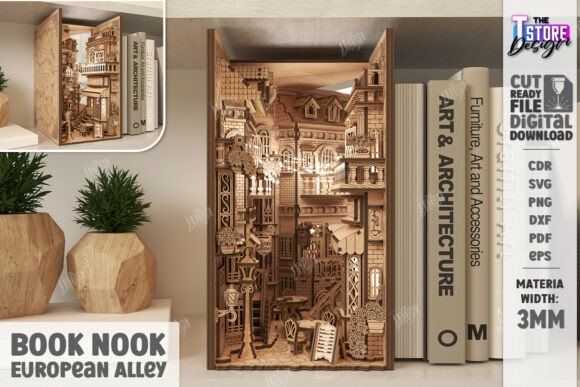
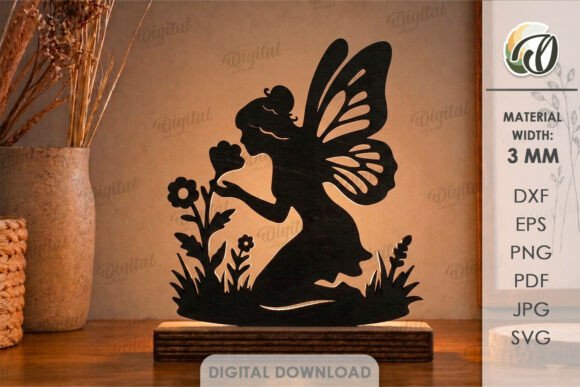
Before diving into the aesthetic possibilities, it is crucial to clarify the fundamental nature of this product. When you purchase a 3D Fairy Light Stand Laser Cut design, you are acquiring a digital asset, not a tangible good. The listing typically includes a zip folder containing multiple file formats—SVG, DXF, EPS, PDF, JPEG, and PNG—to ensure compatibility with various software and cutting machines. This distinction is vital for setting realistic expectations; the images seen in product listings serve as inspiration, demonstrating the potential outcome rather than the item itself.
This model offers significant advantages for those who already own or have access to laser cutting equipment. By providing files in vector formats like SVG and DXF, the design ensures scalability without loss of quality. Whether you are using a desktop hobby cutter or an industrial machine, the geometry remains precise. The inclusion of raster formats like JPEG and PNG allows for easy visualization and sharing on social media platforms, while the PDF serves as a quick reference for dimensions and assembly instructions.
However, this format also introduces a tradeoff. It requires the buyer to possess the technical means to cut the material. If you do not own a laser cutter, you must either invest in one or locate a local makerspace or third-party service provider capable of processing these files. This adds a layer of complexity compared to simply buying a pre-made lamp, but it also opens the door to customization that off-the-shelf products cannot match.
Material Considerations and Design Constraints
A critical factor in the success of any 3D Fairy Light Stand Laser Cut project is the choice of material. Most designs in this category are optimized for a material width of 3mm. This thickness is generally considered the sweet spot for laser-cut wood projects involving fairy lights. Thinner materials may lack the structural integrity to support the weight of the string lights or withstand the heat generated by LED bulbs, while thicker materials can be difficult to cut cleanly without burning or charring the edges.
Birch plywood is the most common substrate for these projects due to its fine grain, stability, and ability to hold intricate details. However, acrylics, MDF, and even certain metals can be used depending on the laser's power and the desired aesthetic. The 3mm specification acts as a guideline; deviating from it may require adjustments to the kerf (the width of the material removed by the laser) in the design software to ensure the pieces fit together correctly during assembly.
When evaluating this option against alternatives, consider the finish. Laser-cut wood often retains a natural, warm look that complements fairy lights beautifully, creating a soft, diffused glow. In contrast, acrylic might offer a more modern, translucent effect, while metal could provide a sleek, industrial vibe. The decision ultimately rests on the environment where the stand will be placed and the atmosphere you wish to cultivate.
Comparing Custom Designs with Mass-Produced Alternatives
When deciding between a 3D Fairy Light Stand Laser Cut and a commercially available light fixture, several factors come into play. Mass-produced lamps are immediately usable, requiring no assembly beyond plugging them in. They are often cheaper in terms of immediate out-of-pocket cost if you exclude the time and labor required for DIY. However, they lack uniqueness. You are likely to see the same design in other homes or offices, which diminishes the personal touch.
In comparison, the laser-cut approach offers distinctiveness. Because the design is digital, you can modify it before cutting. You might adjust the spacing of the cutouts to alter the light pattern, resize the structure to fit a specific shelf, or combine elements from different files to create a hybrid design. This level of customization is impossible with standard retail products. Furthermore, the tactile experience of building the stand yourself adds sentimental value, transforming a simple light source into a piece of art created by hand.
From a cost perspective, the equation changes when you factor in volume. If you are creating a single unit, a store-bought lamp might be more economical. However, if you are furnishing an entire room, creating gifts for multiple recipients, or starting a small business selling handmade decor, the 3D Fairy Light Stand Laser Cut becomes highly cost-effective. The marginal cost of additional units drops significantly once the digital file is owned, limited only by the price of raw materials.
Assessing Skill Levels and Time Investment
One of the primary decision factors for potential buyers is the required skill set. While the concept of laser cutting sounds technical, the actual process for a 3D Fairy Light Stand Laser Cut is accessible to beginners with some guidance. The challenge lies less in operating the machine and more in post-processing. Laser-cut wood often requires sanding to smooth rough edges and cleaning to remove soot marks. Assembly usually involves interlocking tabs and slots, which can demand patience and steady hands.
If you are comparing this to 3D printing, another popular alternative for custom lighting, the differences are stark. 3D printing builds objects layer by layer, allowing for complex geometries that are impossible to achieve with flat sheet materials. However, 3D printed parts often show visible layer lines and may not diffuse light as evenly as laser-cut wood. Additionally, 3D printing can be slower for large surface areas. The laser-cut method excels at producing clean, flat panels that can be folded or stacked to create 3D forms, offering a balance between speed and aesthetic appeal.
Time investment is another variable. A pre-made lamp takes seconds to install. A laser-cut project might take anywhere from an hour to several days, depending on the complexity of the design, the speed of the laser, and the finishing work required. For individuals who enjoy the crafting process, this time is part of the enjoyment. For those strictly seeking a functional solution with minimal effort, the DIY route may feel like a hurdle rather than a benefit.
Ideal Use Cases and Limitations
The 3D Fairy Light Stand Laser Cut is particularly well-suited for specific scenarios. It is an excellent choice for interior designers looking to add bespoke elements to a client's space, event planners needing thematic decor for weddings or parties, and entrepreneurs testing new product lines without committing to expensive molds or tooling. It is also ideal for hobbyists who want to utilize leftover materials from previous projects, as the 3mm requirement is standard enough to find in most scrap piles.
However, there are limitations. These designs are generally static; unlike smart lighting systems, they rely on the fairy lights inserted within them. If you require app-controlled color changing or voice activation, the stand itself does not provide that functionality—you must pair it with compatible smart bulbs. Additionally, the durability of the final product depends heavily on the material chosen and the care taken during assembly. Wood can warp in high humidity, and acrylic can crack under stress, so the environment matters.
Furthermore, the reliance on a digital file means that if the file is lost or corrupted, the ability to recreate the exact stand is gone unless backups exist. This contrasts with physical goods where the item exists regardless of digital records. Buyers should ensure they download and archive the provided ZIP folder securely immediately after purchase.
Making the Right Choice for Your Needs
Ultimately, the decision to pursue a 3D Fairy Light Stand Laser Cut hinges on your goals. If you prioritize convenience and immediate results, a ready-made fixture is the logical path. But if you value originality, customization, and the satisfaction of creation, the digital file offers unparalleled flexibility. It transforms a generic lighting need into an opportunity for artistic expression.
Consider your current resources. Do you have access to a laser cutter? Are you willing to learn the basics of vector editing and material handling? If the answer is yes, the possibilities are indeed endless. From geometric patterns to organic shapes, the design files serve as a foundation upon which you can build something truly unique for your home or office. By weighing the tradeoffs between time, cost, and creativity, you can determine if this approach aligns with your vision for your space.
For those ready to explore this avenue, remember that the journey begins with the file. Take advantage of the various formats provided to test your design digitally before committing to physical materials. Experiment with different woods and finishes to see what best suits your aesthetic. With careful planning and execution, a 3D Fairy Light Stand Laser Cut can become a standout feature that elevates your environment in ways mass production never could.